I took down the final trace of Christmas today…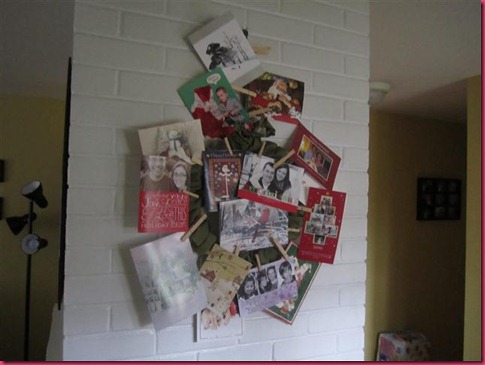
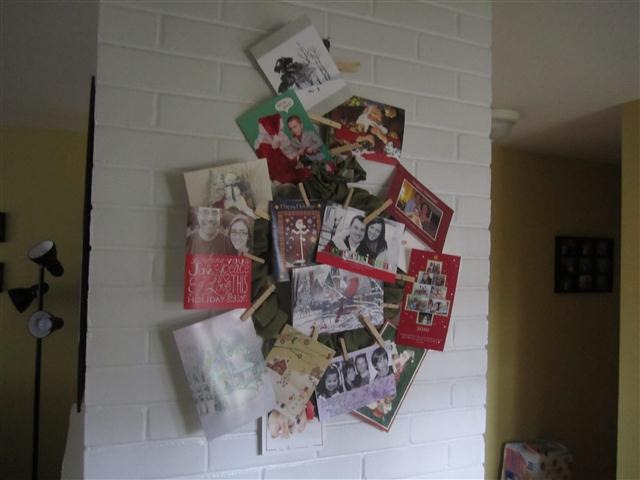
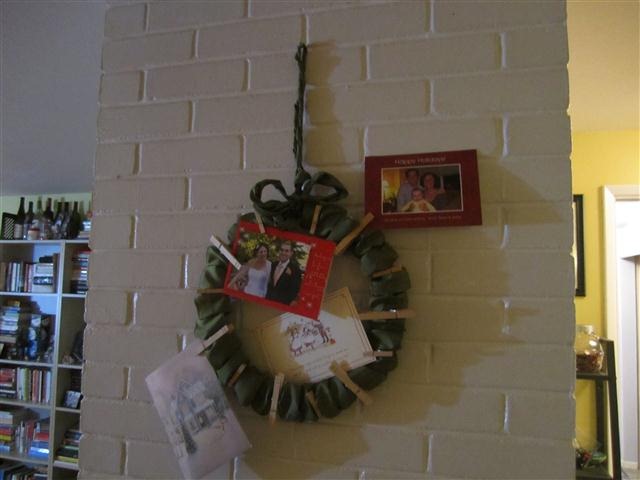
By the time all of the holiday cards came in the mail, it ended up looking like a giant mass of randomness on our wall, but it started out as a crafty attempt to display our cards.
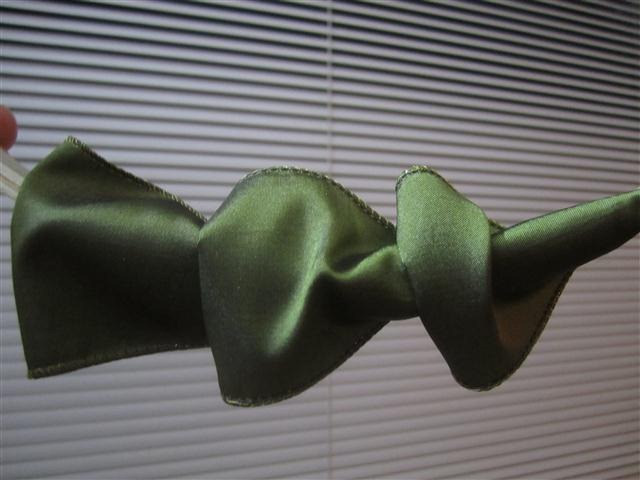
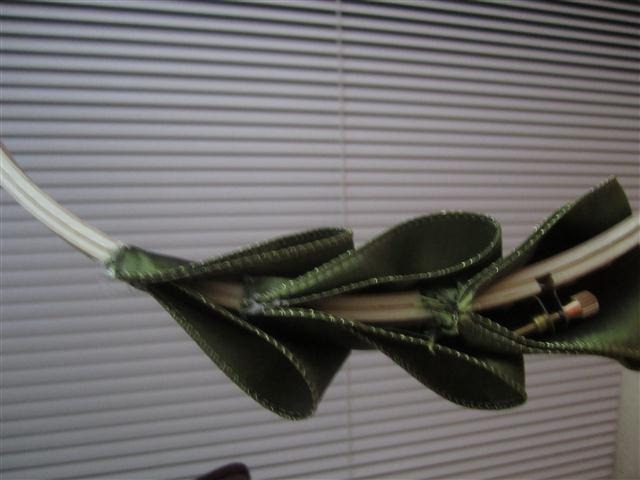
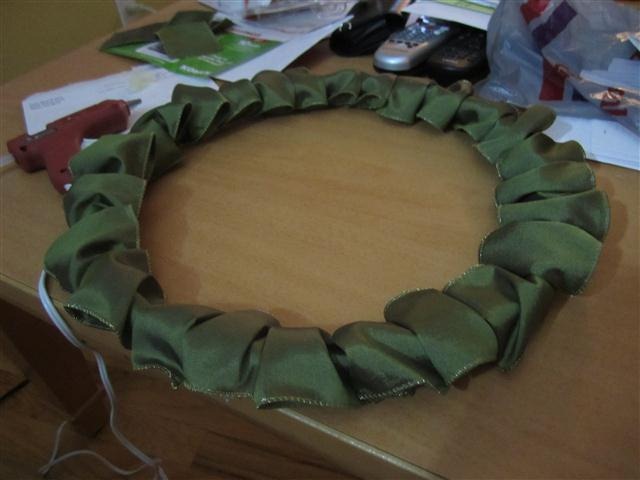
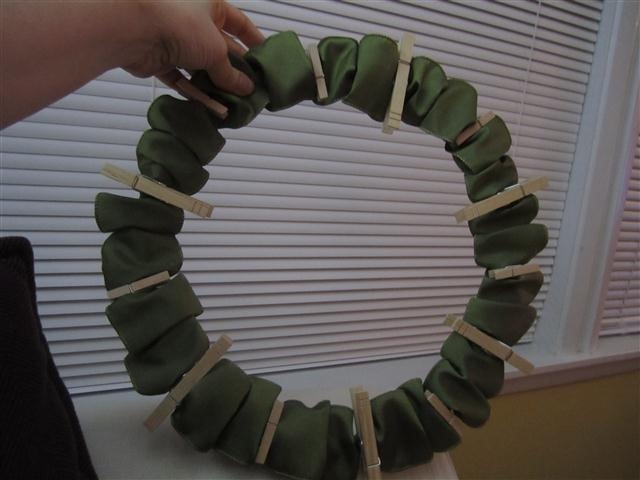
Stolen from/inspired by Martha Stewart, I started with my hot glue gun, the largest embroidery hoop I could find, some wide wired ribbon and two sizes of clothespins. Hot glue was strung everywhere, and I burned many fingertips in the process.
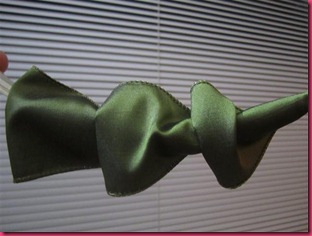
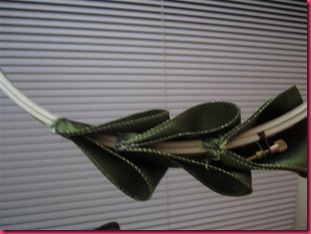
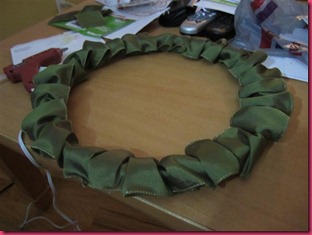
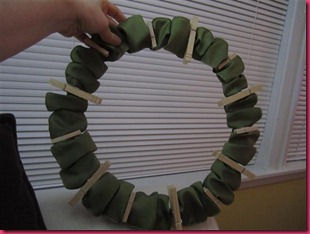
I twisted the last bit of ribbon to hang it and started adding cards. At first, we had so few I had to include my mom’s Thanksgiving card and our own holiday card. Eventually we had so many cards I had to add clothespins to the hanging ribbon, creating the holiday-card-blob seen above.
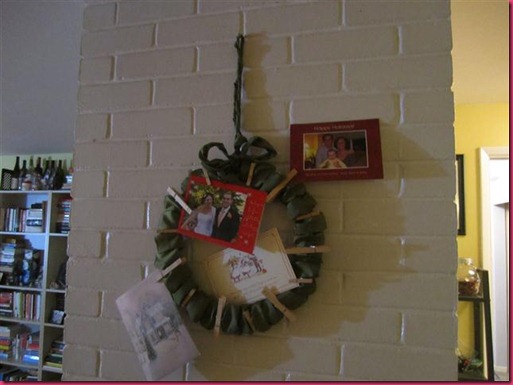
Now it is completely empty, but still on the wall. I like the green ribbon because it was Christmas-y enough, but it also complements the white and yellow of our living room/entry way walls. My next project is to find a handful of pictures to display here during all non-Christmas times.
—
I have been really bad at snapping shots of our culinary adventures, but there have been some tasty ones, and I promise I intend to get back to some regular posting soon.
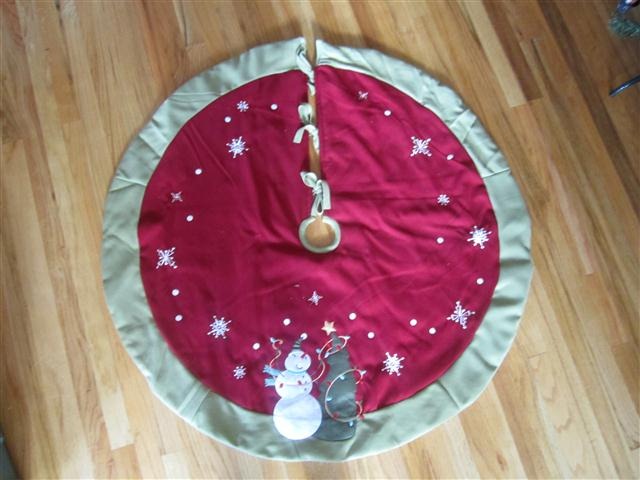
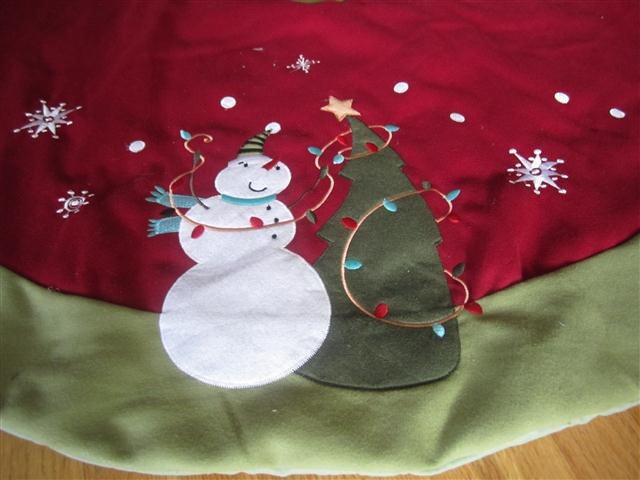
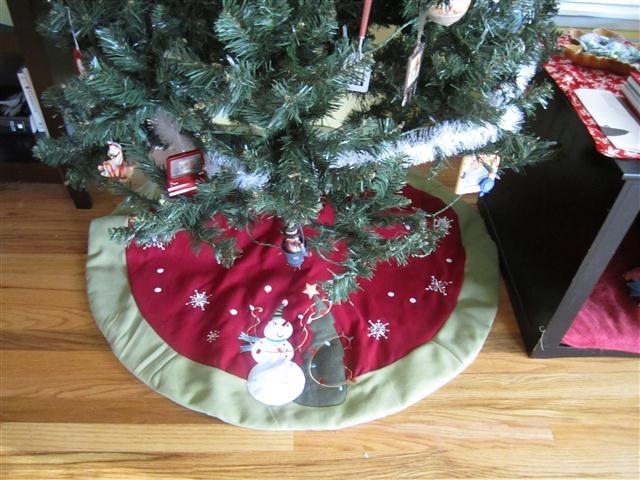
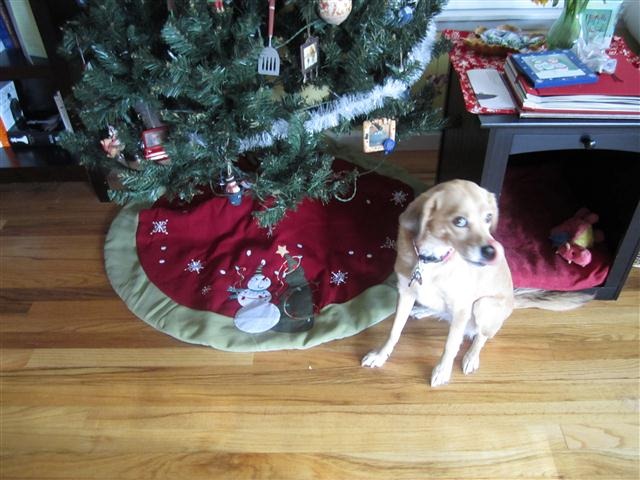
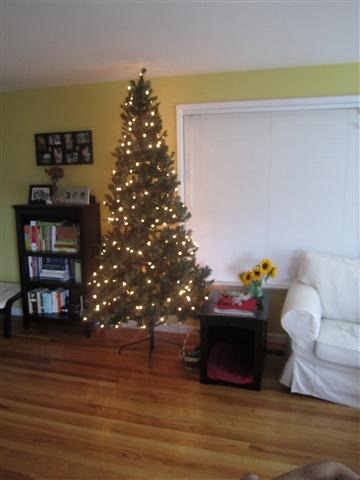
It’s not even December yet, and I’m a little out of control. The most important thing to note is that we found a cute tree skirt at Target!
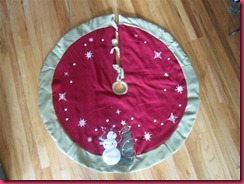
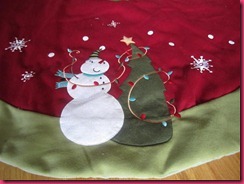
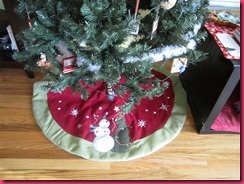
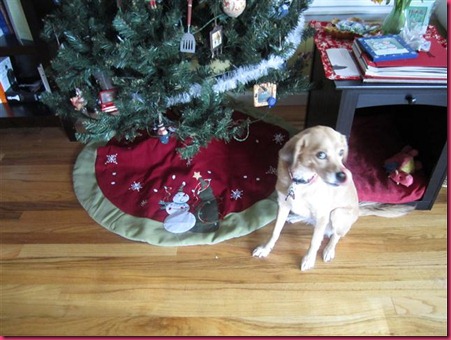
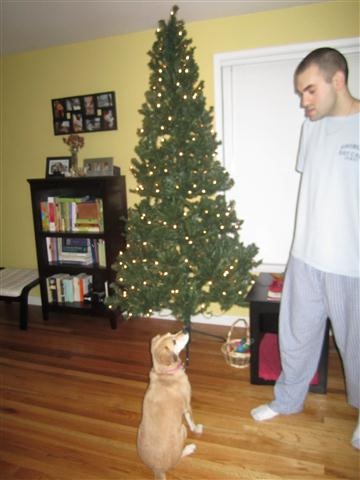
Santana was not so interested when we put the tree up, got a little concerned when we added the ornaments (mostly because of the boxes around the living room), became increasingly curious after the tree skirt went on (is this a place to sleep?!) and is constantly investigating the area now that there are a couple presents under the tree (early arrivals from my mom & dad).
This is so much better than our tiny tree last year!
On Wednesday night, Hanukkah starts and we’ll be focusing on the menorah for 8 crazy nights! So the goal is to get the holiday cards in the mail before then!
LOVE this time of year!
Since it has been almost a month since I posted (yikes), here is a quick catch up as November gets ready to come to a close….
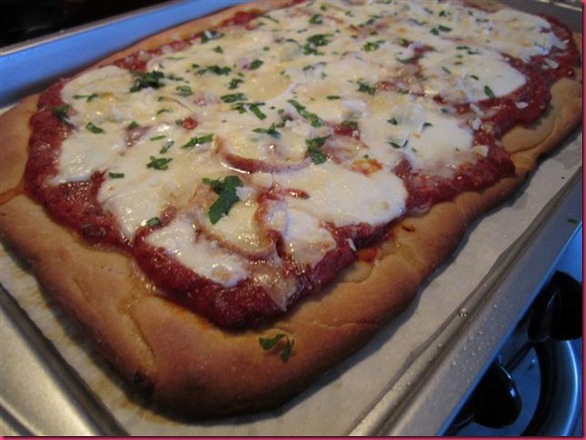
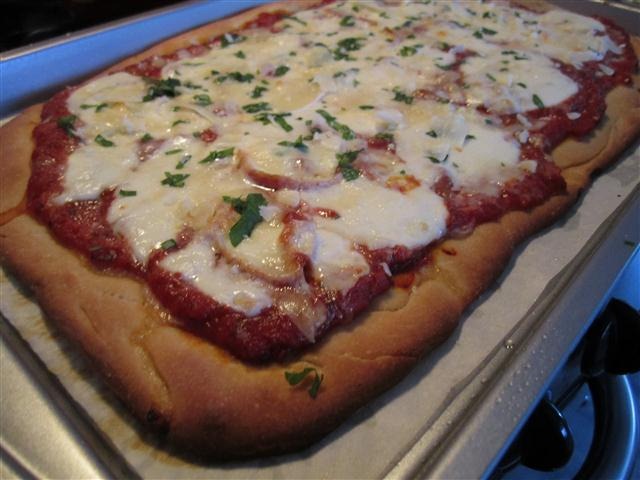
We tried a thick crust, chewy pizza dough recipe that turned out to be pretty tasty. Topped with a basic tomato sauce, Salumi pepperoni and a blend of mozzarella and parmesan cheese. I have half a crust left in the freezer, so that might be making a repeat appearance in the next couple weeks.
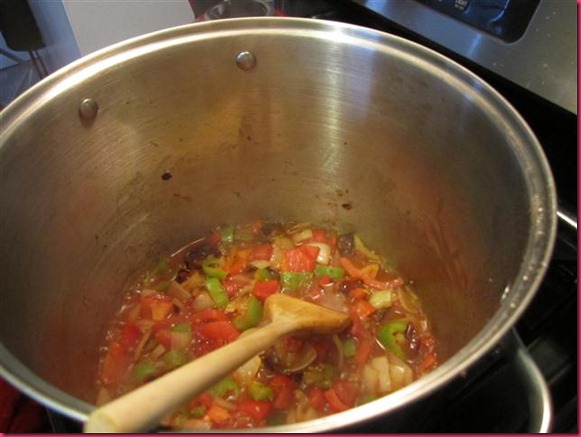
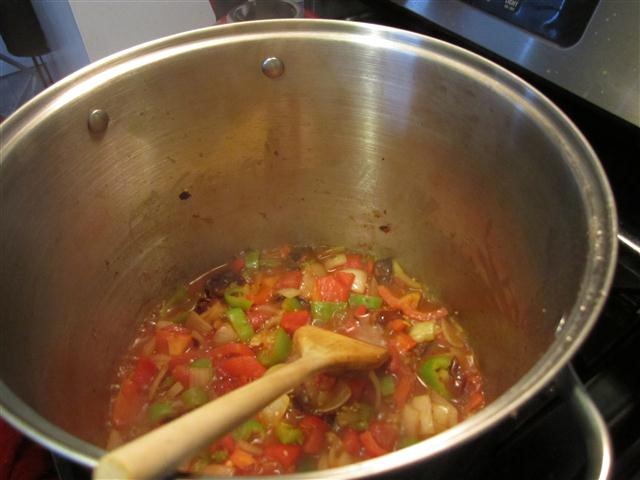
We also used an Alton Brown recipe for chili and made it work with ground beef and beans rather than cubed beef. The best part of the chili was the base (pictured above) that starts with lots of fresh peppers and chilies and gets pureed before the meat and beans go back in. The spice in the final dish had a sweet freshness to it that was so addicting we didn’t even freeze any leftovers.
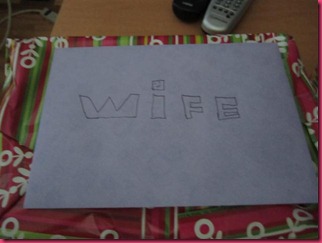
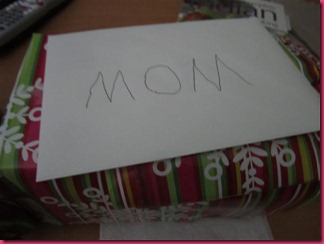
I had a birthday! Woo! There were presents from Matt and Santana. Somehow, Santana’s wrapping job AND handwriting seem more advanced than Matt’s….hmmm? Also, they both chose to use my Christmas wrapping paper instead of the birthday wrapping paper. Fun!
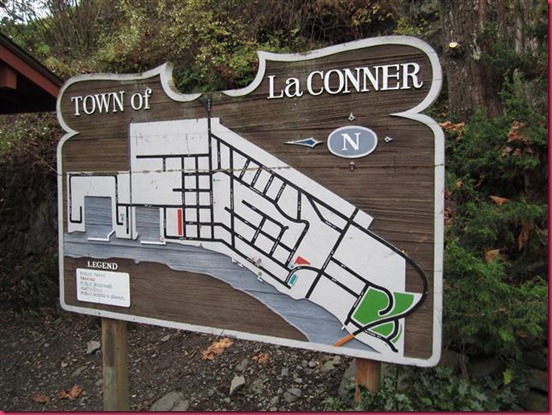
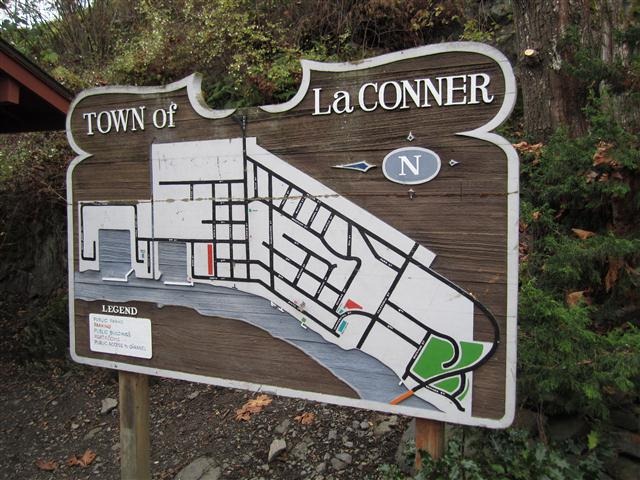
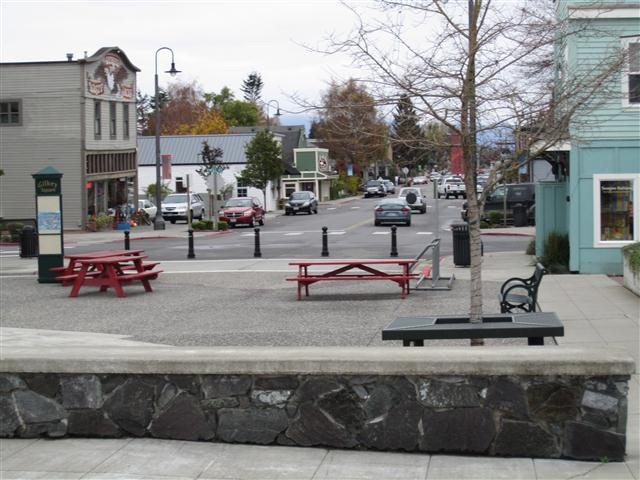
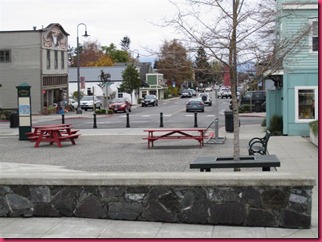
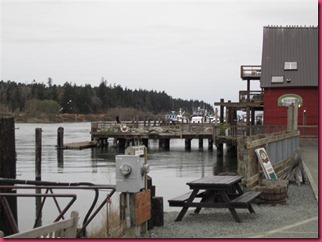
For my birthday (and for the heck of it), we took a road trip to La Conner…a small town north of us about an hour or so. We did a little shopping (lots of artsy and antique-y shops) and just enjoyed spending the day together away from the chores and errands at home. We followed it up with a tasty, semi-fancy dinner at a wine bar near home.

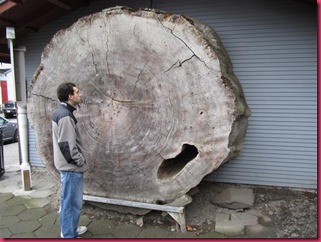
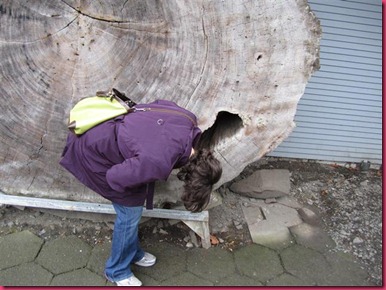
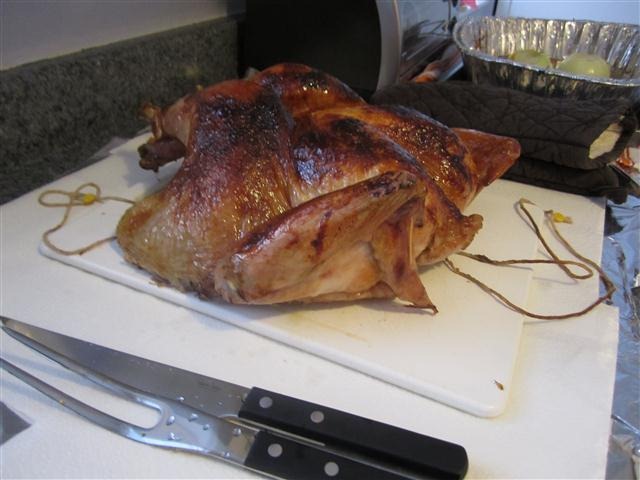
Of course, the big excitement of November is full of food as the holiday season kicks into full gear. We paired up with a couple friends to make lots and lots of food. There are probably enough leftovers to last all of us at least a week. My main assignment for the dinner was the turkey:
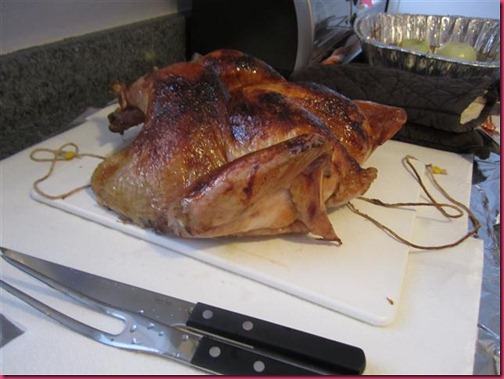
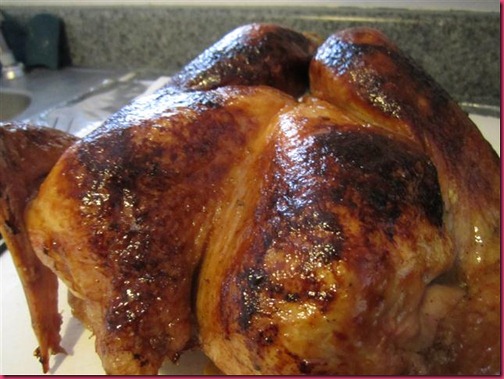
The recipe was from the most recent issue of Cook’s Illustrated. A butterflied, glazed turkey with an Apple Maple glaze. So so crispy and moist. The sweetness of the glaze gave a nice twist to the resulting gravy and went well with everything else we had to eat. Cook’s Illustrated’s recipes are consistently wonderful, so I also used their bread stuffing recipe. I missed my usual cornbread stuffing, but this was delicious! I love Thanksgiving!
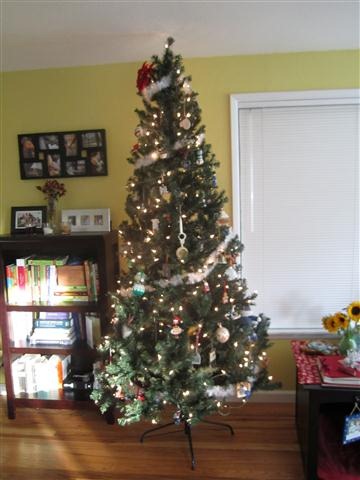
And now that Thanksgiving is over, we’re moving right along…the menorah is out and ready for Hanukah and the Christmas tree is up and decorated! We need a tree skirt apparently, but that is on our list for the next batch of errands. Excitement!
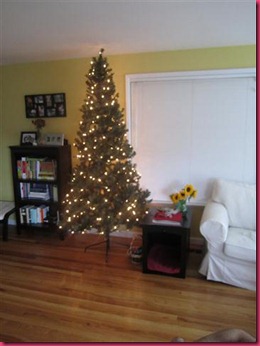
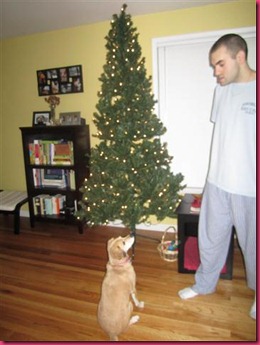
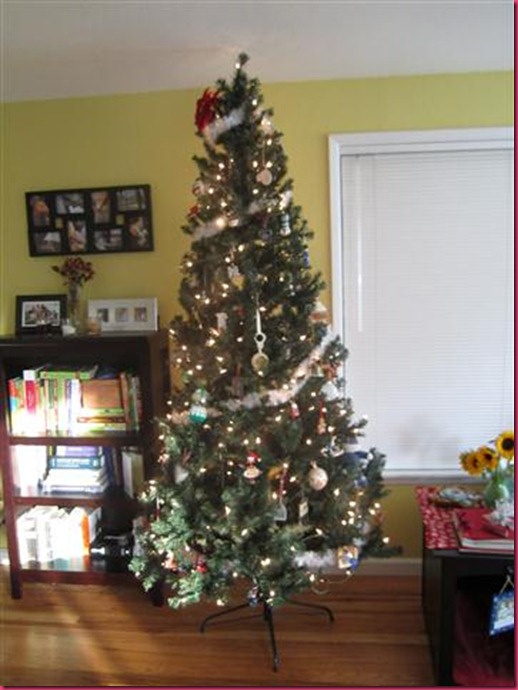
Santana is also getting ready for the holidays. It makes me miss my family in NY a lot, but I’m excited to spend our first married holiday season relaxing with Matt and Santana and not stressing about travel and plans and weather and all of that mess.
We also embarked on a new food experiment this month, but I’ll save that for a later blog (that will hopefully happen in less than a month). Stay tuned!
Posted in Blog Fun, Family, Freezer Food, Fun, Holidays, Leftovers, Life, LOVE, Matthew, Puppy, Seattle, Yum
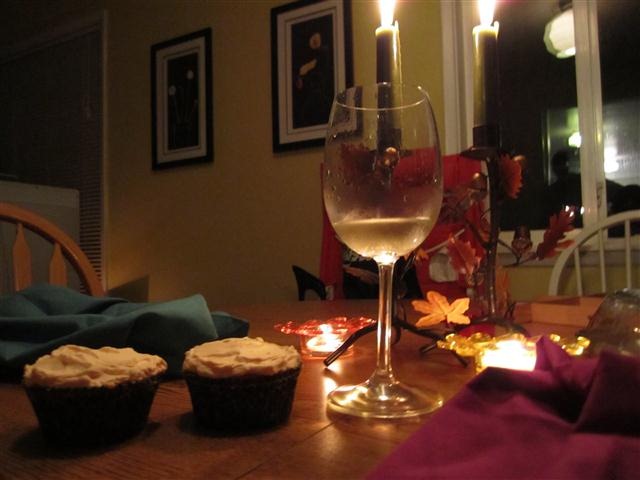
In celebration of pretty much nothing, this was the setting for dinner tonight:
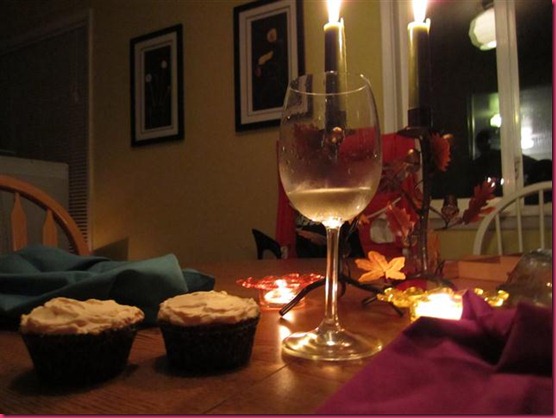
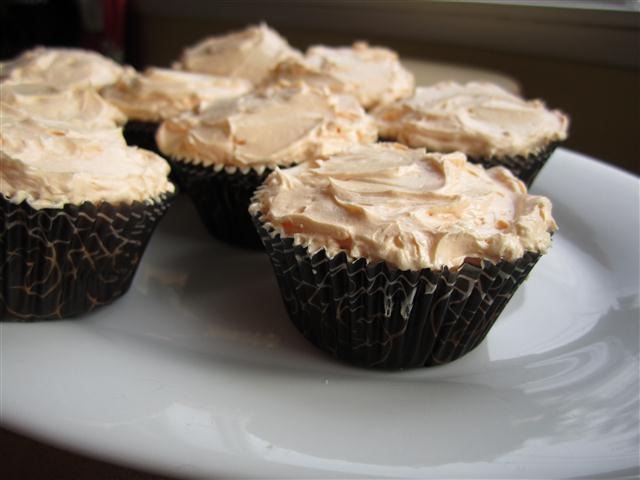
Yep, candlelight. With wine (Riesling), cloth napkins, and cupcakes for dessert. Fancy, huh? Dinner was leftover homemade minestrone soup from this weekend that I have failed to get any pictures of.
We also did a load of laundry, a sink full of dishes, and cleaned the kitchen counters. Somehow, the bedroom and living room are also both pretty clean. I’m not sure what is going on here, but it feels wonderfully relaxing.
Here is some other fun from the weekend.
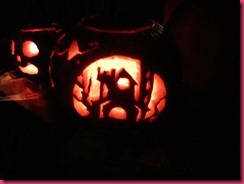
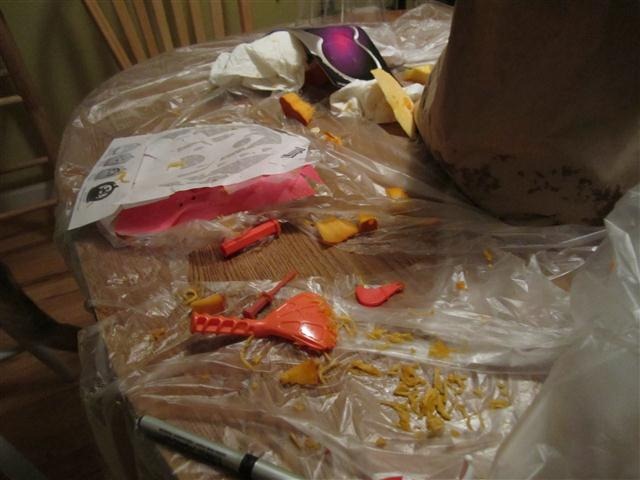
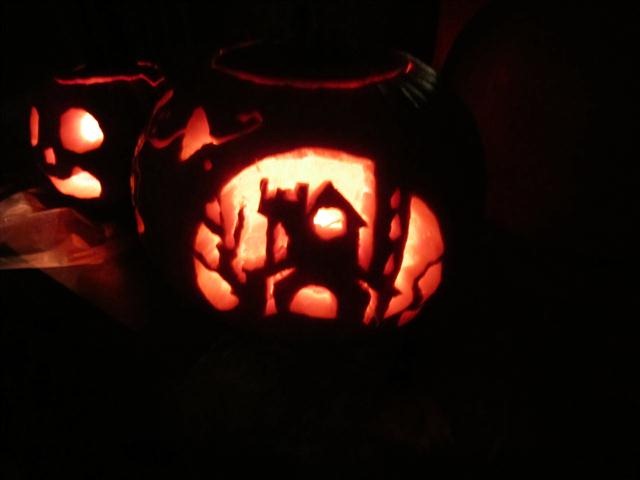
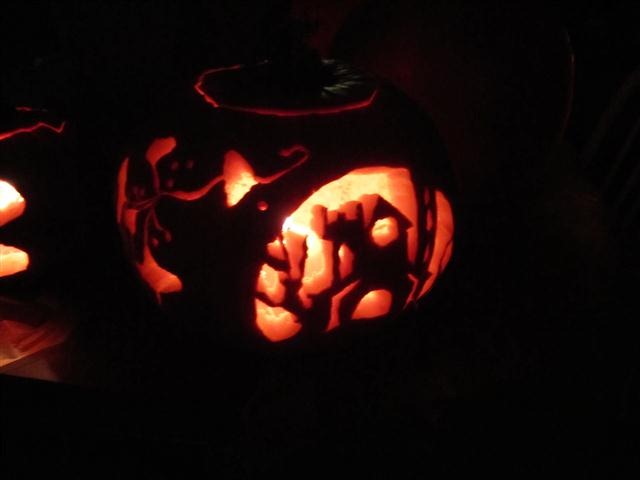
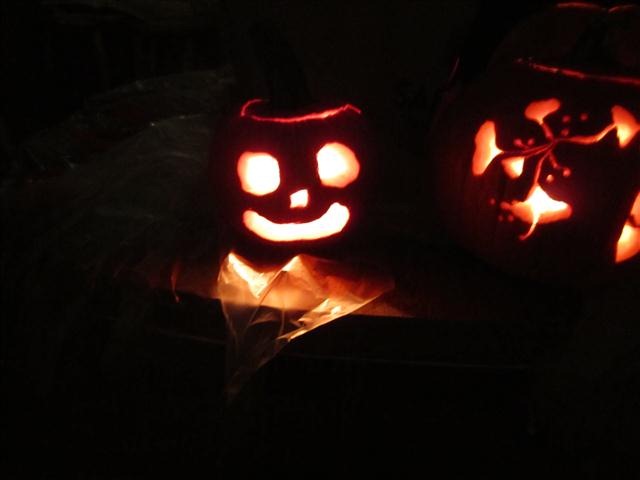
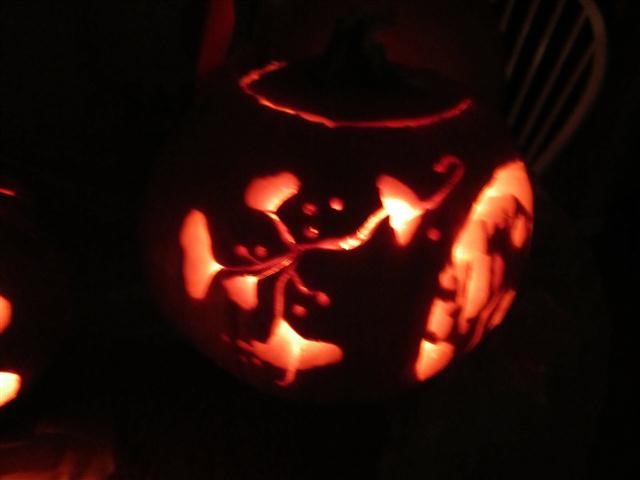
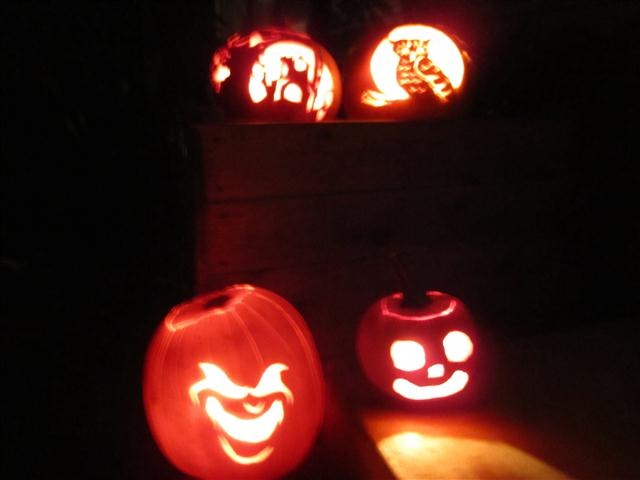
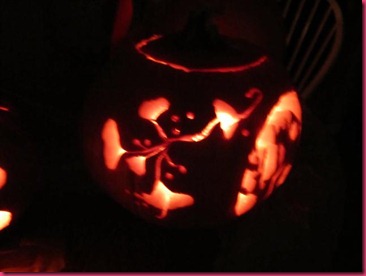
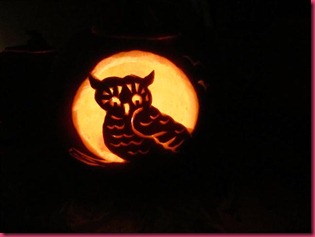
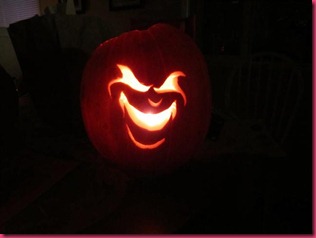
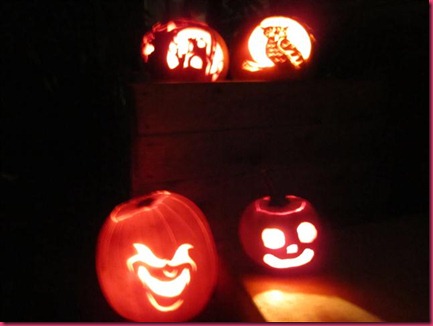
Pumpkin carving on Friday night with two spectacularly fun friends. Mine is the house with the ginkgo leaves and Matt’s is the tiny pumpkin with the crooked smile, square nose and gigantic round eyes.
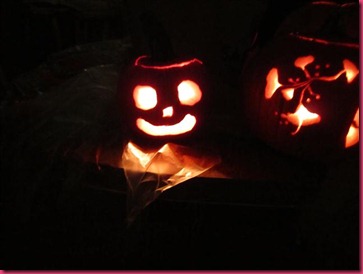
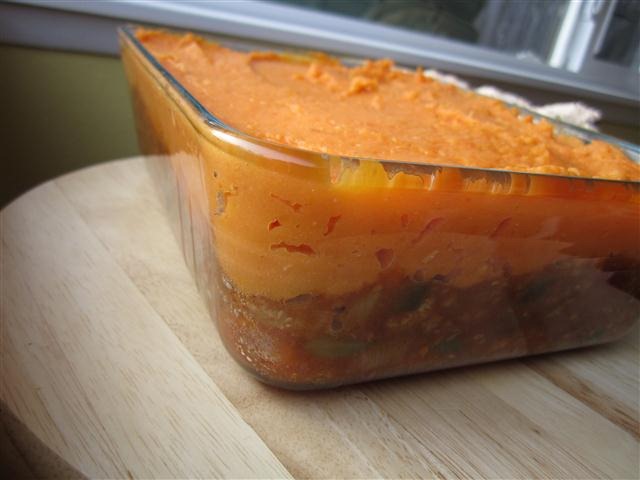
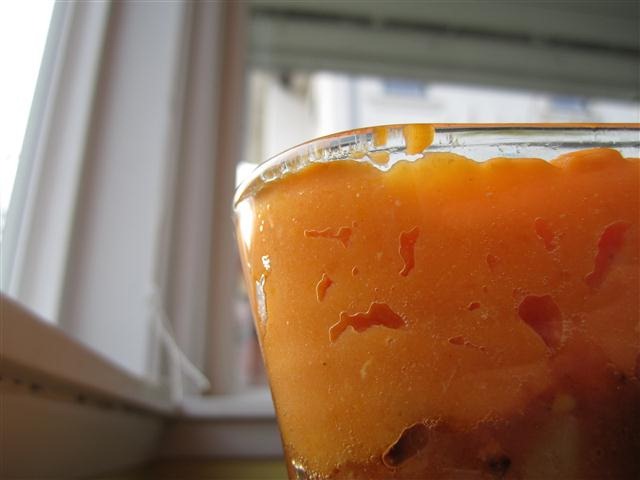
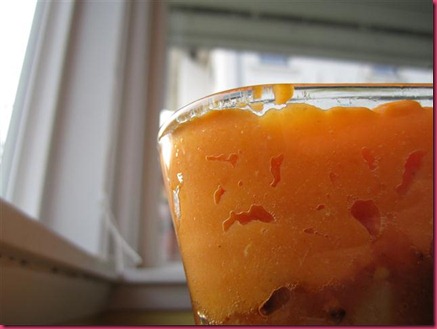
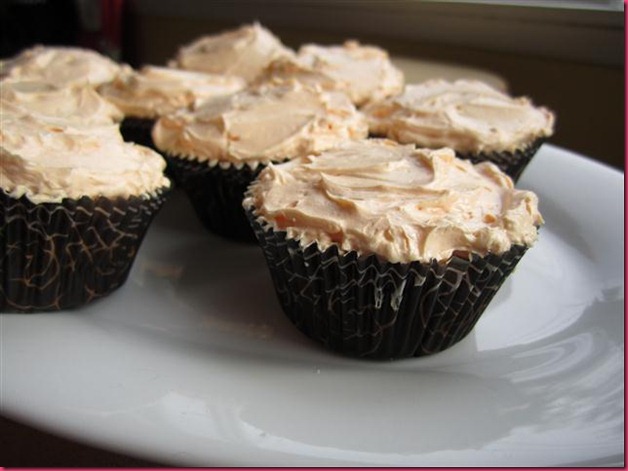
Sunday night dinner spent waiting for trick-or-treaters (we eventually got a few later in the evening). Shepherd’s pie with a stew base made from ground pork and lots of veggies, topped with mashed sweet potatoes. With a side salad and bread (not pictured). Finished off with a fun punch (also not pictured) and dessert of Gale Gand’s “Perfect Yellow Cupcake†with butter cream frosting (both from my stand mixer!) and a yummy homemade pumpkin pie. 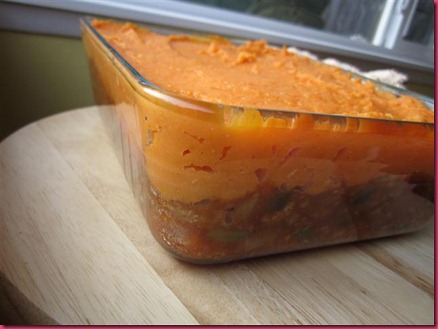
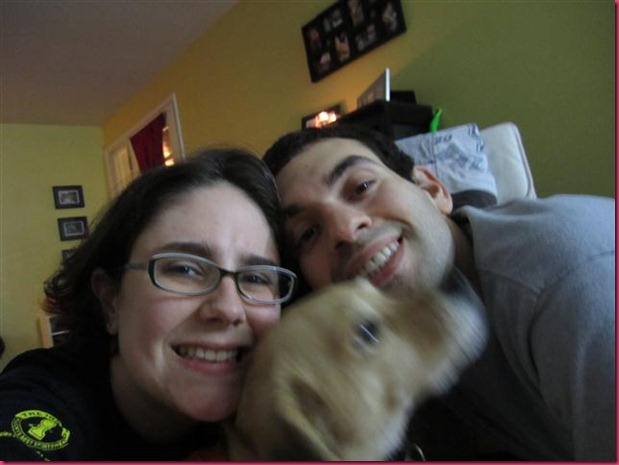
The end of October/beginning of November has been very good to us. Not least of all because my long recruiting trips for work are over and the cold weather means Santana has been extra cuddly.
Happy Fall! Now it’s time for Thanksgiving planning!
Posted in Family, Fun, Holidays, Leftovers, Life, LOVE, Magical Magical Animal, Matthew, Puppy, super-friends, Yum
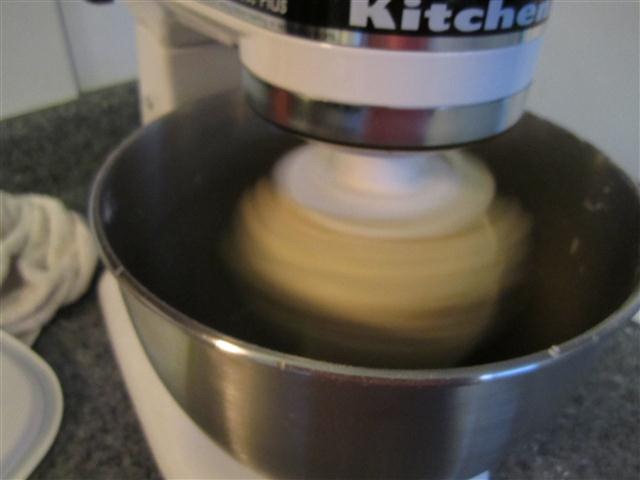
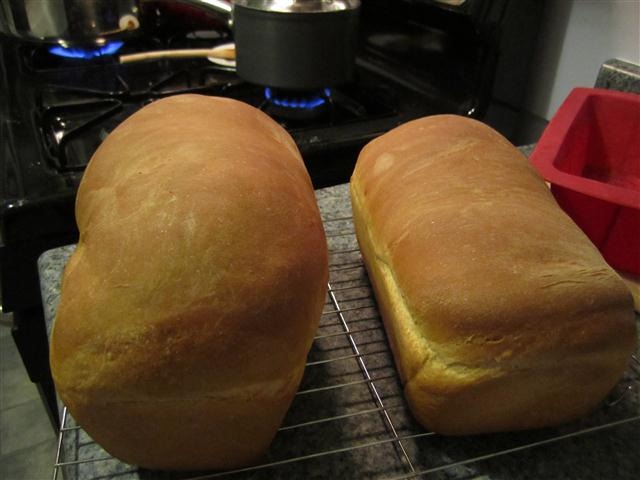
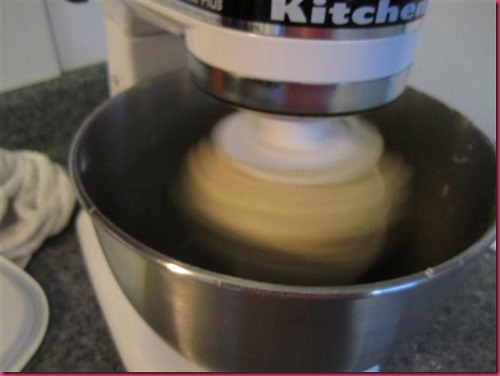
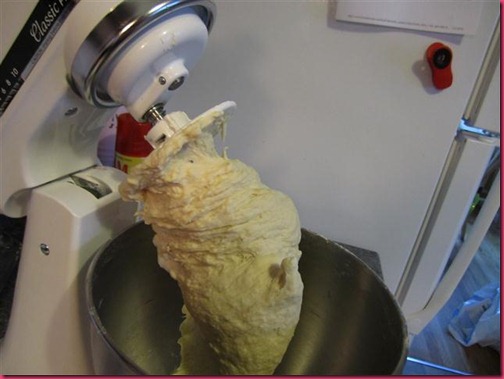
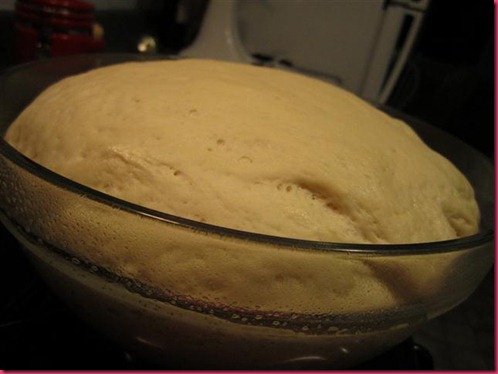
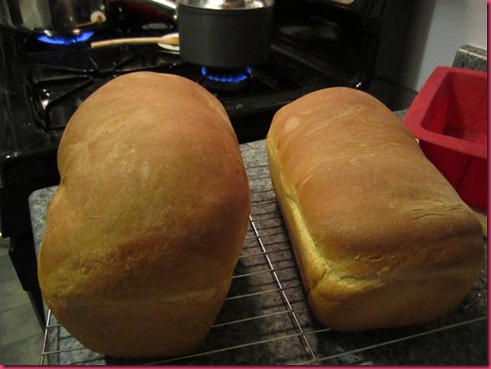
This happened last night…
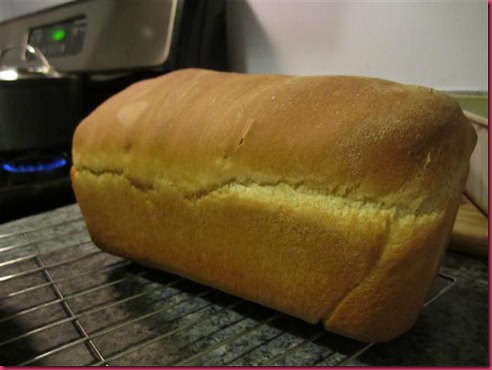
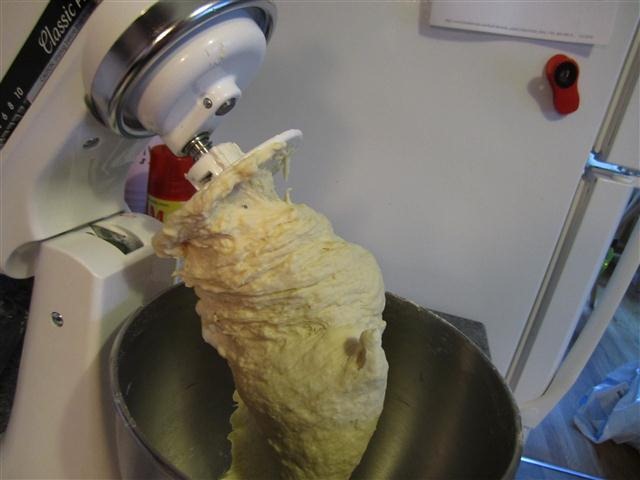
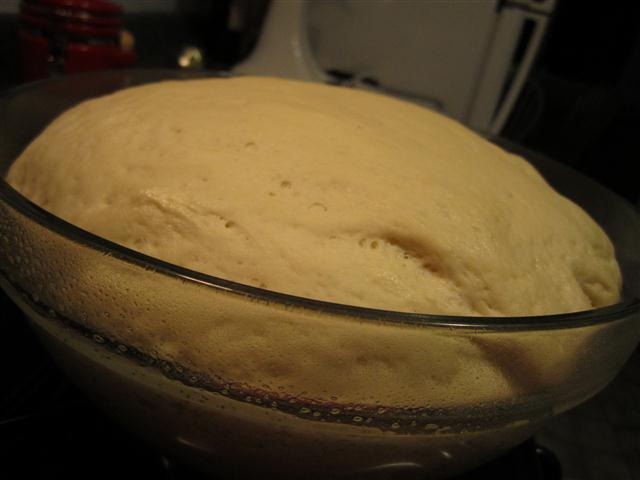
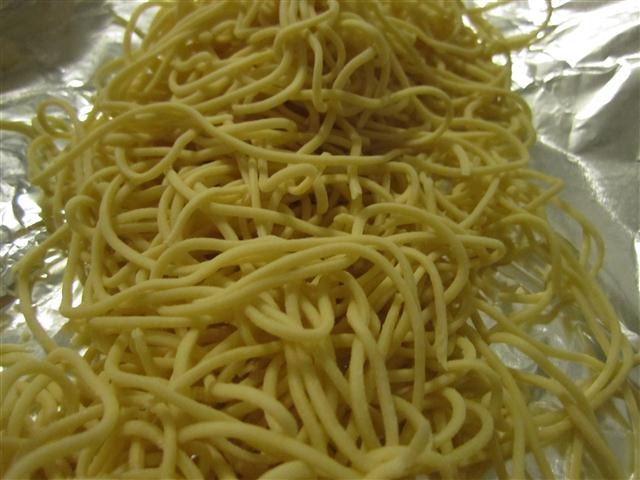
And this….
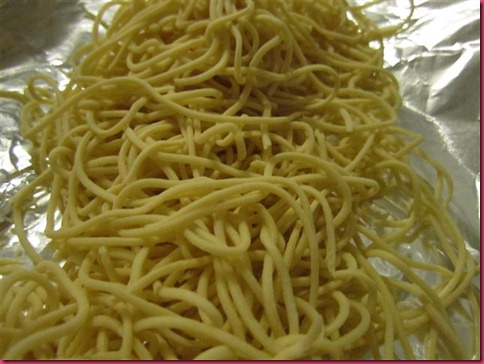
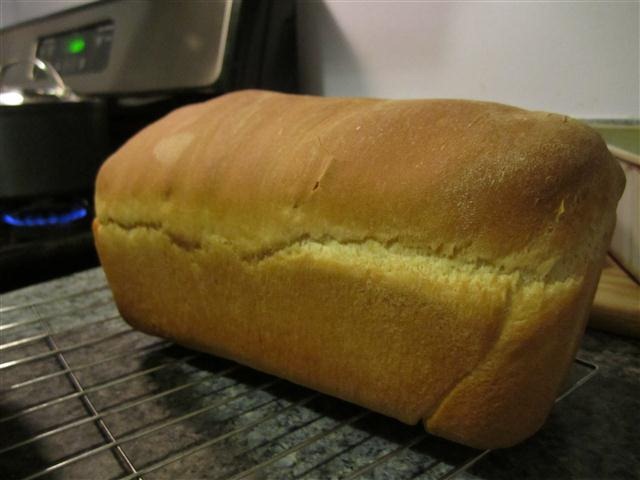
Basic White Bread and Spaghetti recipes to test out the stand mixer and pasta attachments. My kitchen may never be clean again.